Skip to content
Articles, references, and workshop notes

Learning resources for model engineering and miniature mechanics

This library brings together practical reading for beginners: clear definitions, step-by-step reference notes, and safe workshop guidance. Use it to understand gears, motion, steam fundamentals at an introductory level, and the small decisions that make model builds smoother and more enjoyable.

How to use this page

Pick a topic card below. Each card summarises what you will learn, the kinds of models where it shows up, and a small checklist you can apply at the bench. If you want personalised direction, the contact form is designed for simple questions and workshop interest.

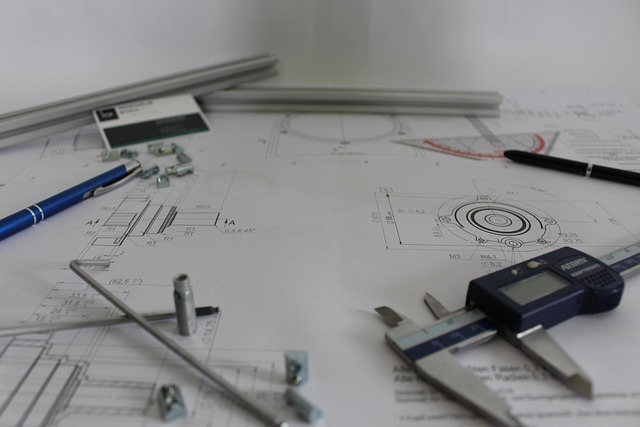
technical notebook with gear sketches and a small model engineering caliper on a workbench

Best for

Beginners, families, and careful builders.

Focus

Understanding, safe practice, and steady progress.

Resource categories

Model engineering combines knowledge and habit. A short explanation of a concept is useful, but a repeatable checklist is what helps you build safely and consistently. These categories are arranged to support typical beginner journeys: start with mechanical basics, then expand into steam fundamentals and workshop techniques, and finally explore inspiration themes such as model railways and transport mechanisms.

Core mechanics

Gears, motion, and power transfer

Learn the basic language of mechanisms: gear meshes, ratios, backlash, linkages, and how motion changes direction. Includes quick checks to identify binding and misalignment before it becomes a problem.

  • Understand “smooth turning” and what affects it at small scale.
  • Learn why tiny offset errors can amplify friction and noise.
  • Use simple hand tests before you apply power or heat.
Steam basics

Model steam engine fundamentals (introductory)

A calm introduction to what common steam engine parts do, why seals matter, and how heat relates to safe operation. This material is educational and encourages careful reading of manufacturer instructions for any operating model.

  • Learn the roles of cylinder, piston, valve gear, and flywheel.
  • Understand why ventilation and clear space matter during operation.
  • Build a safe habit of checking fasteners, tubing, and alignment.
Workshop

Tools, measuring, and safe work habits

Learn how to choose the correct tool size, why measuring matters, and how to reduce mistakes with simple bench habits. Includes family-friendly guidance on storage and supervision.

  • Build a stable layout for parts, fasteners, and diagrams.
  • Learn when to stop and reassess instead of forcing motion.
  • Understand eye protection, heat awareness, and tidy storage.
Inspiration

Model railway and transport mechanisms

Explore miniature transport themes as a learning tool: wheelsets and alignment, drive trains, couplings, and the small details that make models feel convincing. This section is about understanding, not collecting value.

  • See how smooth motion depends on geometry and low friction.
  • Learn to inspect track fit, rolling resistance, and binding points.
  • Use transport models to practise finishing and careful handling.
Reference

Bench checklists and troubleshooting

A set of quick reference notes you can apply while building. Focused on common beginner issues: stiffness, uneven movement, missing alignment, and fasteners that loosen over time.

  • Identify the single step that changed the motion feel.
  • Use gentle “back off and retighten” sequences when needed.
  • Verify parts order before trimming or modifying components.
STEM inspired

A practical study routine for hands-on learning

Many beginners learn best with a repeatable routine: read a short concept, apply it on the bench, and write down what changed. This resource track combines reading, building, and reflection so progress feels steady rather than overwhelming. It also supports supervised family learning by emphasising tidy setup and safe tool handling.

beginner friendly workshop learning with measuring tools and labeled mechanical components

Recommended reading order

If you are new to mechanical hobbies, it helps to study in a sequence that matches how models are built. Begin with terminology and basic motion, then focus on assembly habits and safety. Only after those basics are comfortable should you deepen into more specialised topics like steam operation or advanced tuning.

Short reminder

If you ever feel the need to force a part, pause. Binding usually has a clear cause such as alignment, incorrect order, or a fastener tightened too early.

  1. Learn the vocabulary

    Start with core terms like shaft, bearing, gear mesh, and backlash. When you can describe the issue, troubleshooting becomes much easier and safer.

  2. Apply assembly habits

    Use a repeatable sequence: test fit, align, tighten gradually, then recheck motion. This approach reduces misalignment and protects delicate parts.

  3. Strengthen safety routines

    Build safe habits for tools, heat, and small parts storage. Good safety is mostly routine, not complicated equipment.

  4. Explore specialised topics

    After the basics, explore steam fundamentals, model railway inspiration, and deeper mechanical analysis. The goal is understanding and enjoyment.

Need a recommendation for your situation?

Send a short message about your model type and where you are stuck, and we will reply with relevant resources and safe next steps.

Contact