Workshops built around safe, confident model making
GaelicVoice workshops are designed to help you practice the habits that make model engineering enjoyable: tidy workspaces, correct tool choice, careful alignment, and patient troubleshooting. Sessions are calm, educational, and suitable for beginners who want guidance with mechanical model building and introductory steam concepts.
Session format
Learn by doing, with clear checkpoints
- Safety briefing: heat, sharp edges, small parts, and tidy bench practice.
- Technique focus: measurement, alignment, and fastening without strain.
- Mechanics explained: see how motion changes when you adjust fit and friction.
- Take-home notes: checklists you can reuse on future builds.
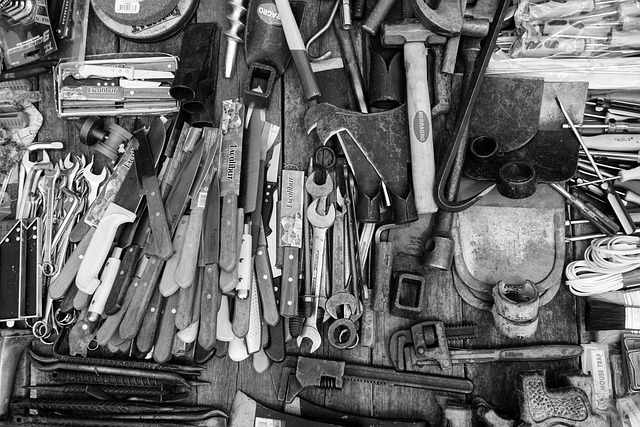
Workshop themes
Workshops are organised by theme so you can choose what matches your interests and comfort level. Each theme is paced for beginners and focuses on practical understanding rather than speed. You do not need prior engineering training. We recommend reading the relevant pages in Beginners before attending so the terminology feels familiar.
Assembly basics and tool handling
Learn how to choose the correct tool size, apply steady torque, and avoid damaging small fasteners. We cover bench setup, parts organisation, and simple finishing steps that help builds look neat and work smoothly.
Suitable for: first-time builders, families with supervision, anyone returning to the hobby.
Gears, motion, and smooth running
Understand gear meshing, backlash, and alignment checks. Practice quick diagnostic tests to find rubbing points, uneven motion, and stiffness. Emphasis is placed on gentle adjustments and repeatable checks.
Suitable for: builders who want better results from moving mechanisms and drive trains.
Steam engine learning session (intro)
A classroom-style introduction to model steam: what the key parts do, how motion is generated, and how to think about heat, seals, and maintenance. This session focuses on safe understanding, not performance claims.
Suitable for: learners who want clear foundations before handling operating models.
Railway and transport mechanisms
Explore how small-scale transport models illustrate real mechanical ideas: coupling, wheel alignment, drive layouts, and scale detail. Participants leave with a better eye for how design choices affect motion and stability.
Suitable for: railway model enthusiasts and anyone interested in miniature transport engineering.
Safe workshop setup for home
A practical session on lighting, ventilation, storage, and routines that keep workspaces calm and safe. We cover eye protection, heat awareness, and how to keep small parts away from younger children.
Suitable for: families, shared households, and anyone setting up a hobby bench.
STEM-inspired build journaling
Learn how to record a build with sketches, photos, and short notes so you can repeat a technique later. We introduce simple measurement logs and a calm troubleshooting structure suitable for beginners.
Suitable for: learners who like structured progress and want to improve through reflection.
Not sure which workshop fits your goals?
Send a short message describing your experience level, the type of model you enjoy, and what you want to learn. We will respond with a suggested theme and relevant reading from our guides.
What to expect
A good workshop leaves you with repeatable habits. We focus on process: how you set up, how you check your work, and how you respond when something does not move as expected. The aim is to make model building feel steady and understandable rather than intimidating.

Beginner-aware pacing
Concepts are introduced with plain language, then applied in short practice steps. There is time for questions and for carefully repeating a technique until it feels natural.
Clear checkpoints
We use simple checks like alignment tests, smooth-turning verification, and part orientation reminders. This reduces rework and helps you learn why a step matters.
Safety and supervision
Safety is treated as a normal part of the craft. We cover safe posture, storage, and awareness around hot surfaces, sharp edges, and small components.
Links to resources
After a session, we suggest follow-up reading so you can keep learning at home. Use Resources for structured articles.
Safety and suitability note
Workshops are educational and are not a substitute for manufacturer instructions. Activities may involve tools, heat discussion, and small parts. Children should participate only with suitable supervision. If you have a specific safety concern, contact us before attending so we can advise on suitability.
Frequently asked questions
These workshop questions cover preparation, safety, and what you will take away from a session. For general hobby questions, visit the full FAQ.
Do I need to bring a kit or tools?
It depends on the session. Some workshops are focused on technique demonstrations and guided practice where materials are provided, while others are “bring your build” sessions focused on troubleshooting and assembly habits. When you contact us, tell us what you are working on and we will explain what to bring and what will be available.
Are workshops suitable for complete beginners?
Yes. We design sessions to avoid assumed knowledge. The most helpful preparation is to read the Beginners section so basic terms like gear mesh, alignment, and fastener types feel familiar.
What will I learn in one session?
Most participants leave with one or two repeatable techniques, a checklist for future builds, and a clearer mental model of how motion is affected by alignment and friction. We focus on practical understanding you can apply to many kits and mechanisms, rather than a single “trick”.
Can you help with a model that is not running smoothly?
Yes, within the limits of an educational workshop. We can help you identify likely causes such as misalignment, overtightening, rubbing, or order-of-assembly issues. We will not recommend unsafe modifications. If something appears unsafe to continue, the correct next step is to stop and consult the kit instructions or a qualified expert.